NDIS Commission - Salesforce Portal, Application Forms and Dashboards
ROLE
Lead UX/Visual Design in NDIS Commission DART (Data and Regulatory Transformation) Program
TASK
Designing external and internal facing customer portals and forms for the Salesforce CRM migration.
Enhance and optimise the UX and UI of data capture forms, reporting tools and self-service portal for external and internal users.
Gather requirements and use UX methodologies to ensure the end user experiences are intuitive, accessible, and inclusive.
Lead a UX team consisting of a UX designer and UX Researcher and Accessibility Tester providing guidance and governance.
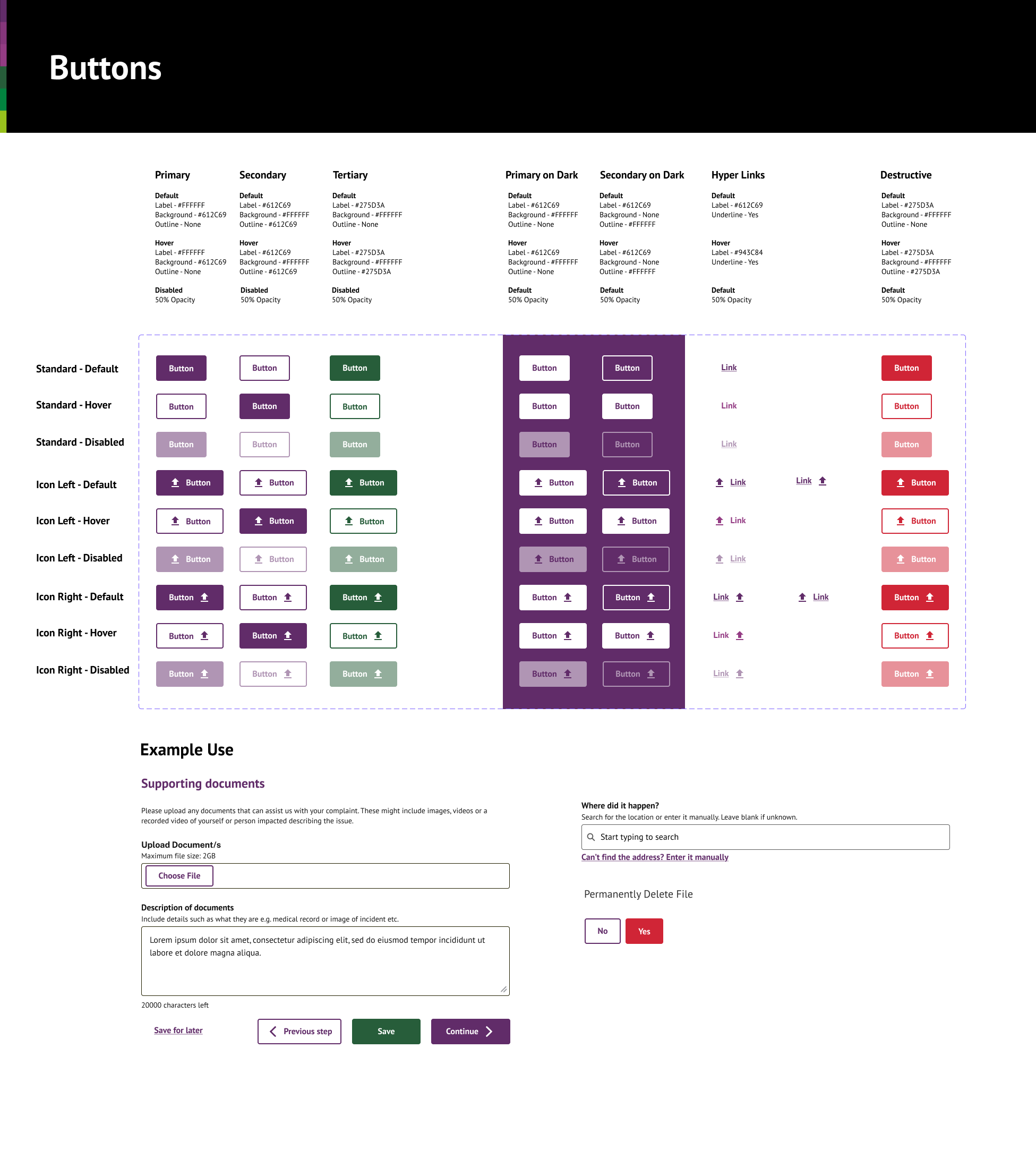
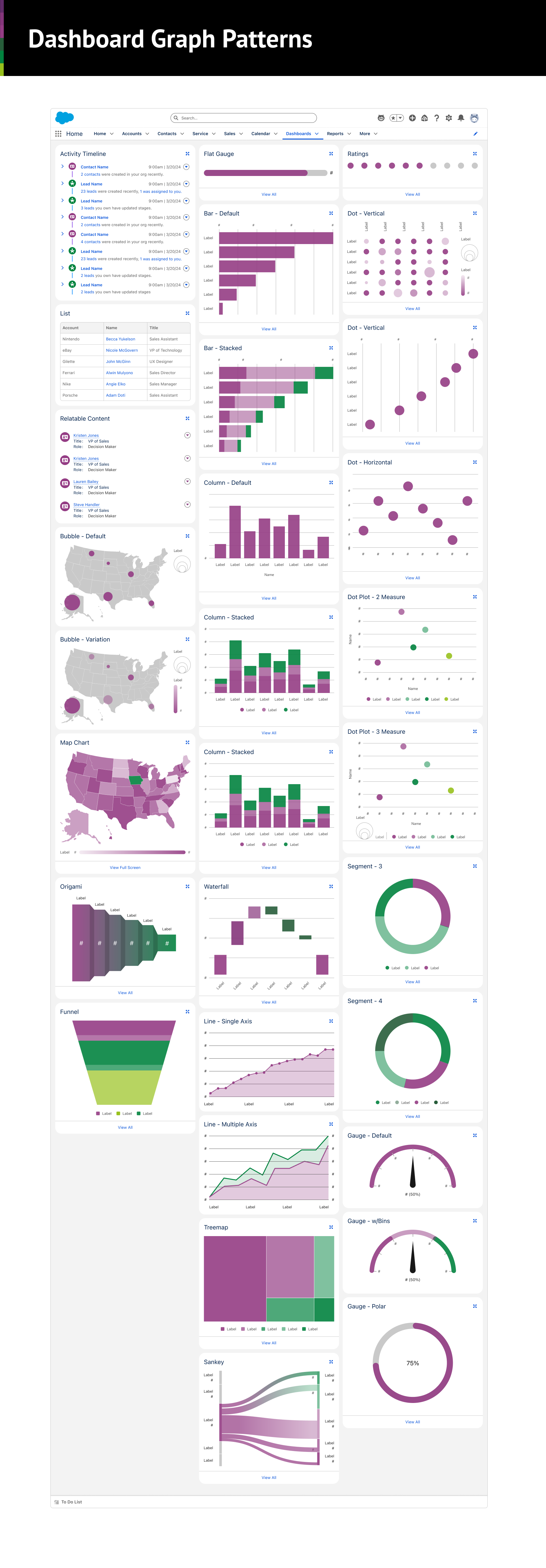
Create and manage a new design system in Figma design software that combines the NDIS Commission brand guidelines and Salesforce reusable components. Design and create User interfaces and prototypes using Figma.
CURRENT EXPERIENCE
The legacy platform was unable to provide functionality for internal and external staff to efficiently assess and manage provider registrations, reportable incidents and behaviour support of participants. External forms, portal and internal portal were being migrated to Salesforce CRM platform.
PROPOSED SOLUTION
As the Lead UX designer working across multiple CRM streams such as NDIS provider registrations, complaints, reportable incidents and behaviour support, I collaborated with business stakeholders and SMEs, external users and developers with an empathetic and co-design approach. I do this to understand their pain points and requirements to ensure that the end experience, user needs, business areas and processes connect efficiently in the design of various application forms for each stream, self-service portal and the internal Salesforce CRM. I created wireframes and user flows to present regularly in design walkthroughs, facilitate workshops, conduct stakeholder interviews and test prototypes to communicate concepts and complex functionality clearly and obtain feedback, endorsement and approvals for design direction and development.
The NDIS Commission had minimal brand guidelines and no design system when I began work in the DART program. I decoded what minimal brand guides existed, took visual cues from the website and blended it with accessibility guidelines and the Salesforce design system to create a foundational design framework for the design of the new portal and forms. I developed and tested guidelines for typography, colour, layout, interaction and reusable accessible components and design patterns and documenting tokens, variations and states in Figma. This ensured that the new portal had a cohesive and seamless omni channel experience and that consistent branding provides trust and recognition to the user throughout the journey.